

Freediving is usually seen as a recreational activity, mostly practised for fun and competition. However, it has a range of other important applications, including supporting the planning and execution of scientific studies. In this field, freediving techniques are used to carry out a wide variety of tasks, from equipment setup to sample collection.
Acknowledging the unique challenges associated with scientific diving, experienced freediving consultants are often engaged by research teams planning underwater projects. Here we explore why this support is required and the types of assistance consultants can provide.
Why do researchers need a freediving consultant?
Scientific research divers are often scientists first, and divers second. As such, they may be experts in designing studies, but their diving knowledge and skills may still be developing. In this instance, an experienced freediving consultant can help plan and coordinate diving activities, ensuring they are completed safely and effectively.
The role of a safety diving consultant
The support freediving consultants provide will vary depending on the scope of the project and the team involved. However, there are a few key activities that they are regularly engaged to oversee and carry out.
Keeping everyone safe
Most obviously – and importantly! – a safety diving consultant ensures that all diving activities are completed safely. They work closely with the research team to carefully plan each dive, making sure all potential safety risks are identified and managed. They also confirm that every diver is adequately trained and qualified, and understands what to do in an emergency.
In most instances, freediving consultants will also play an active role in each dive, usually by ensuring the safety of scientific research divers. However, if conditions are particularly challenging, they may complete the scientific diving activities themselves, with safety provided by another highly experienced diver.
Recommending suitable dive locations
Freediving consultants are often engaged during the planning stage of a study, to help inform its design. Their advice on site selection is especially sought after, particularly when they have experience diving in the area being studied. This practical knowledge can help identify potential limitations (e.g. visibility issues) and determine the positioning of equipment and survey areas.
Depending on the nature of the project, their local knowledge and diving expertise may also be called on when choosing study methods. A freediving consultant can help ensure that the techniques used are right for the environment and conditions. This should mean the approach adopted is effective and delivers reliable data and valuable insight.
Surveying and other evidence gathering
For studies that require the collection of samples, using scientific research divers is often preferred over surface collection methods, like trawling. This is because scientific diving is far more targeted and minimises the volume of material that needs to be collected. It is also significantly less destructive, meaning the imspact on the environment is smaller and the treatment of live specimens is much more humane.
An experienced freediving consultant can help collect samples, including live specimens, and take in-situ measurements, and photographic or video evidence. They can also instruct other scientific research divers on the skills and techniques required to carry out sampling and surveying activities. And they can help design, install, and maintain static underwater video systems to help meet longer-term analysis requirements.
Managing diving equipment and transportation
Safety diving consultants usually oversee every element of each dive trip. This includes making sure the scientific diving team has all of the necessary equipment, and that their equipment meets safety standards. It also includes coordinating all transport requirements, making sure they meet the needs of the project team and suit the conditions.
Meet our world-renowned safety diving consultant
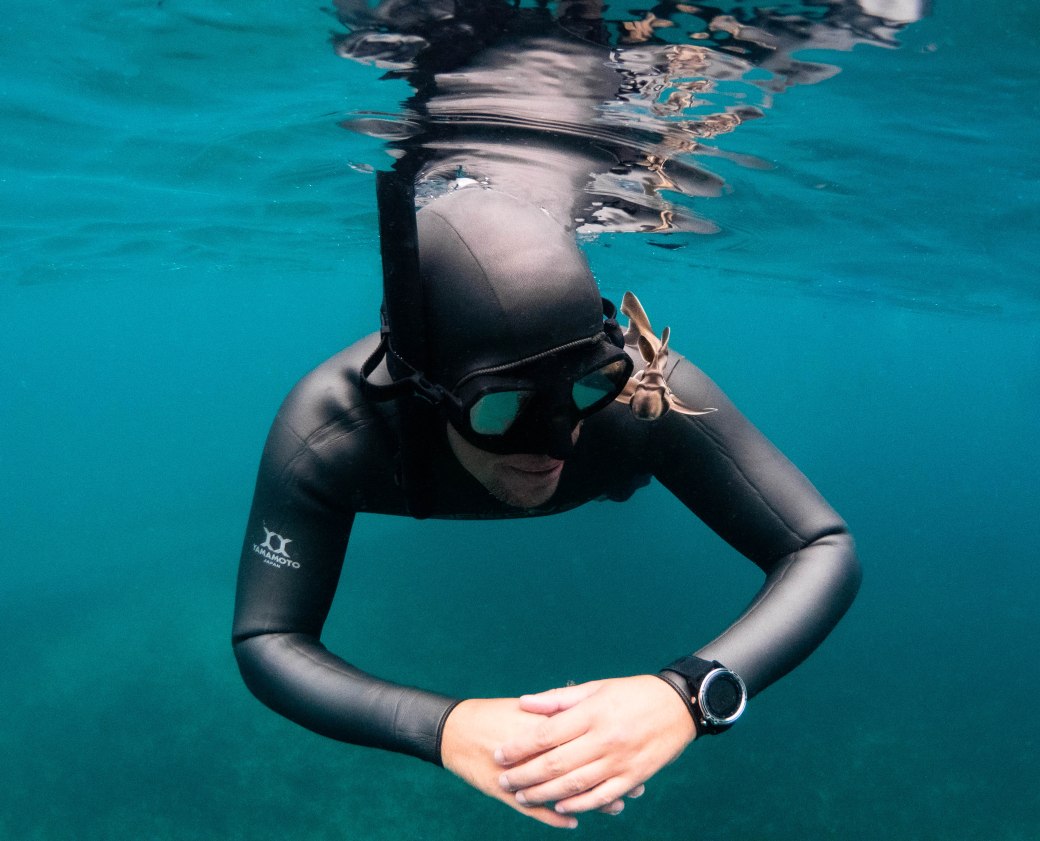
Freediving Central’s very own Dan Parsons is widely credited as one of Australia’s most experienced freediving instructors and scientific diving consultants.
An avid waterman, Dan has over 11 years of professional freediving experience. During this time, he has travelled all over the world and worked with some of the best competitive freedivers the world has ever seen. Thanks to his innate ability to understand the needs of each diver, his skills and experience have been sought by a host of high-profile individuals and organisations.
Most significantly, he has been engaged as the head safety diving consultant on a number of projects for National Geographic. In this role, he has provided safety in a wide variety of remote locations and challenging conditions. This has included working with famed explorer and film producer, Brian Skerry, on the 2021 documentary series, Secrets of the Whales.
If you’re looking for a freediving consultant for your next project or would like to learn more about scientific diving, get in touch to speak to Dan today.